“WBU” is one of those small phrases that appears everywhere in digital conversations. It may seem simple, but its meaning can confuse people who are new to texting, social media, or informal English.
Many search for wbu traduction because they want a clear translation and context. Understanding this abbreviation helps avoid miscommunication and keeps chats flowing naturally.
In real life, WBU is more than just letters. It reflects curiosity, engagement, and connection. It can open conversations, show interest, and even express subtle emotions without words.
WBU Traduction – Quick Meaning
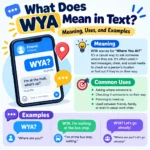
WBU stands for:
“What About You?”
It is used to ask the other person the same question you just answered.
- French translation: Et toi ?
- Purpose: Keeps conversations balanced.
- Tone: Casual, friendly, and inquisitive.
Examples
“I’m going out tonight. WBU?”
“I love this movie. WBU?”
“I had a busy day. WBU?”
In each case, the speaker encourages the other person to share their thoughts, creating a two-way conversation.
Origin & Background
WBU emerged in the early 2000s when texting and instant messaging grew globally.
Text messages had character limits. People shortened common phrases like “What About You?” to save space. Abbreviations such as LOL, BRB, and WBU became part of everyday communication.
Social media amplified its use. Platforms like Instagram, Snapchat, and TikTok allowed short, rapid conversations.
WBU reflects a cultural shift toward fast, interactive communication. It evolved from practical shorthand to a social tool, signaling interest and encouraging engagement.
Real-Life Conversations
WhatsApp Conversation
Andrew:
Finished my presentation today.
David:
Congrats! How do you feel?
Andrew:
Relieved, honestly. WBU?
David:
I’m still preparing for mine next week.
Instagram DM
Sophia:
Your vacation photos look amazing!
Emma:
Thanks! It was unforgettable.
Sophia:
I want to visit there someday. WBU, any travel plans?
Emma:
Planning Spain next summer.
TikTok Comments
Jason:
This song is stuck in my head.
Michael:
Same here.
Jason:
Favorite part is the chorus. WBU?
Michael:
I love the bridge section.
Text Message
Sarah:
I grabbed pizza for dinner.
Olivia:
Good choice.
Sarah:
Pepperoni, obviously. WBU?
Olivia:
Barbecue chicken.
Emotional & Psychological Meaning
WBU expresses interest and curiosity. It is more than a question; it signals empathy, engagement, and balance in conversations.
People use it to:
- Invite participation
- Show care without long messages
- Maintain connection
- Avoid one-sided conversation
Imagine chatting after a stressful day. You share your thoughts, and the other person replies with “WBU?” That small phrase makes you feel acknowledged and included.
Usage in Different Contexts
Social Media:
- Sparks engagement in posts, stories, and comments.
- Example: “I just tried this trend. WBU?”
Friends & Relationships:
- Casual, friendly, often playful.
- Example: “I had ice cream for dessert. WBU?”
Work/Professional Settings:
- Abbreviations like WBU are less appropriate. Use full sentences:
- “What about you?”
- “How do you feel about this proposal?”
Casual vs Serious Tone:
- Casual: Perfect for texting or DMs
- Serious: Avoid in emails, presentations, or formal chats
When NOT to Use It
- Formal work emails or meetings
- With elders or people unfamiliar with texting shorthand
- Sensitive discussions where clarity is crucial
- Situations that require full explanations
Common Misunderstandings
- WBU is not an invitation to argue.
- It is friendly, not sarcastic.
- Tone matters: without context, it may feel abrupt.
- Literal reading may confuse non-native speakers.
Comparison Table
| Term | Meaning | Example | Tone |
|---|---|---|---|
| WBU | What About You? | “I’m busy today. WBU?” | Casual, friendly |
| And you? | Same as WBU | “I love reading. And you?” | Neutral, polite |
| What do you think? | Seeks opinion | “This idea looks good. Thoughts?” | Professional |
| LOL | Laugh out loud | “That meme is funny. LOL” | Casual, playful |
| SMH | Shaking my head | “I forgot my keys. SMH” | Disapproving |
Key Insight: WBU balances conversation and invites input, unlike other slang that expresses emotion or judgment.
Variations / Types
- wby – What about you? Slight spelling change.
- wyd – What are you doing? Often paired with WBU.
- hbu – How about you? Same meaning.
- wbu tho – Adds emphasis, casual tone.
- wbu rn – What about you right now? Time-specific.
- wbu today – Seeks current activity or mood.
- wbu lately – Refers to recent actions.
- wbu friend – Friendly, inclusive.
- wbu sis/bro – Colloquial, shows closeness.
- wbu btw – Adds casualness, like “by the way.”
How to Respond When Someone Uses It
- Casual: “Just chilling, WBU?”
- Funny: “Solving world problems, you?”
- Mature: “Had a productive day. How about you?”
- Respectful: “I’m doing well, thanks. WBU?”
Regional & Cultural Usage
- Western culture: Widely accepted among teens and young adults
- Asian culture: Mostly online, informal
- Middle Eastern culture: Casual texting, usually friends or peers
- Global internet: Common in chat apps, gaming, social media
- Generational differences: Gen Z uses it frequently; Millennials use full phrases more often
Is It Safe for Kids?
Yes, WBU is safe. It is friendly, non-offensive, and encourages conversation. Parents can explain it as a polite way to ask “Et toi?” or “And you?”
FAQs
Q1: What does WBU mean in French?
A1: “Et toi ?”
Q2: Is WBU formal?
A2: No, it is casual. Use full phrases in professional settings.
Q3: Can WBU be used in texts?
A3: Yes, it is most common in texting and online chats.
Q4: Is WBU rude?
A4: Not at all, unless tone or context is off.
Q5: Can adults use WBU?
A5: Yes, it works for anyone comfortable with casual texting.
Q6: Difference between WBU and hbu?
A6: Both mean “What About You?” with minor spelling differences.
Q7: Can WBU be used in emails?
A7: Avoid abbreviations in professional emails.
Conclusion
WBU is more than shorthand. It is a conversational tool that balances communication, shows curiosity, and keeps chats friendly.
Understanding its meaning, origin, and emotional nuance allows confident usage. Using it appropriately fosters connection across texts, DMs, and social media.
Next time someone asks WBU, you’ll respond naturally, showing interest while keeping the conversation alive.